
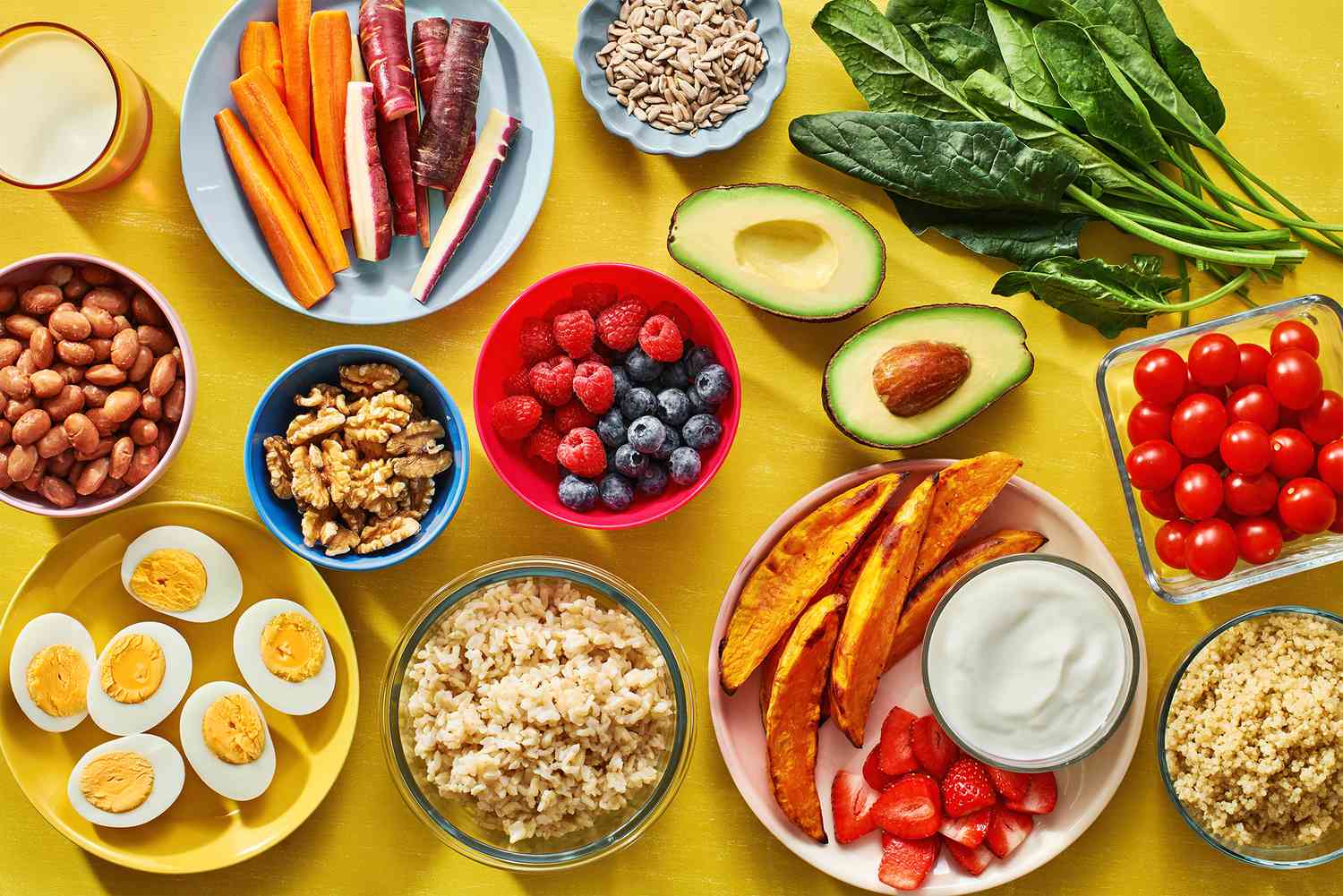
You may fast correctly, but one wrong choice in breaking your fast can undo many of the health benefits you worked for. Fasting is powerful, but the finish matters just as much as the process.
Fasting — especially intermittent or short prolonged fasts (up to 18 – 24 hours) — has gained attention not only for spiritual reasons, but also for physical health benefits. When done correctly, fasting can improve metabolism, insulin sensitivity, fat burning, and cellular repair. However, how you break your fast matters just as much as the fasting itself. If done wrongly, fast breaking can reverse these benefits and place unnecessary stress on your digestive system.
“So whether you eat or drink or whatever you do, do it all for the glory of God.” – 1 Corinthians 10:31 – This includes how we break our fast.
Fasting is not just about abstaining; it is about alignment, discipline, and stewardship of the body.
WHY FAST BREAKING MATTERS
Fasting is not simply going without food. It is about giving your body space to reset, repair, and rebuild. The moment you break your fast becomes the point where you either support healing or interrupt it.
During fasting: Digestive organs rest, insulin levels drop, the body switches to fat burning (ketosis) and cellular repair increases.
Suddenly consuming heavy, sugary, or highly processed food can shock your system, leading to: Digestive discomfort, Blood sugar spikes, Inflammation and Fat storage instead of fat burning
A smart fast break gently transitions your body from rest mode back to digestion, preserving the benefits you gained.
PRINCIPLES OF BREAKING A FAST THE RIGHT WAY
- Start With Healthy Fats and/or Plain Protein
This is non-negotiable. It stabilizes blood sugar, keeps insulin low, and quiets hunger hormones that trigger overeating.
Examples: (i)Half an avocado; (ii)A tablespoon of MCT oil; (iii)A few eggs; (iv)A simple grass-fed meat patty
This approach extends the metabolic benefits of fasting and supports muscle health. - Add Probiotic-Rich Fermented Foods
These replenish good gut bacteria, support digestion, and help with weight management.
Examples: (i) Sauerkraut or kimchi, (ii) Plain yoghurt or kefir
A healthy gut is key to long-term metabolic and immune health. - Use the Gentle Liquid Strategy (When needed)
Not every day requires the same approach. Some days you feel strong and ready for solid protein. Other days you feel sensitive or sluggish — that’s when liquids strategy are ideal.
Options: (i) Bone broth (ii) Herbal teas (iii)Electrolyte water (iv)Low-sugar kombucha
Liquids wake up your digestive system gently without overwhelming it. Sip slowly and allow your body to adjust.
WHAT TO AVOID WHEN BREAKING A FAST
Avoid:
Sugar, sweet fruits, pastries, starchy foods
Sugary drinks, energy drinks, sweetened coffee or flavoured lattes
Large, heavy meals immediately after fasting
These spike insulin, cancel fat burning, and stress the digestive system.
LONG-TERM HEALTH BENEFITS OF SMART FAST BREAKING
When you break your fast wisely:
You maintain insulin sensitivity
You support fat burning
You protect gut health
You reduce inflammation
You build sustainable eating habits
CONCLUSION
Breaking a fast correctly is not optional — it is an essential part of the fasting process. The goal is not just to stop fasting, but to re-enter eating in a way that honours the healing your body has achieved.
“The wise person builds their house, but the foolish one tears it down.” – Proverbs 14:1
You can fast with discipline, but break it with wisdom. Because in fasting, the finish determines the health benefits.
P.S. The principles shared here are for educational purposes only. Everyone’s body is different, so kindly do your due diligence, listen to your body, and consult a qualified health professional before applying any fasting or dietary changes.