
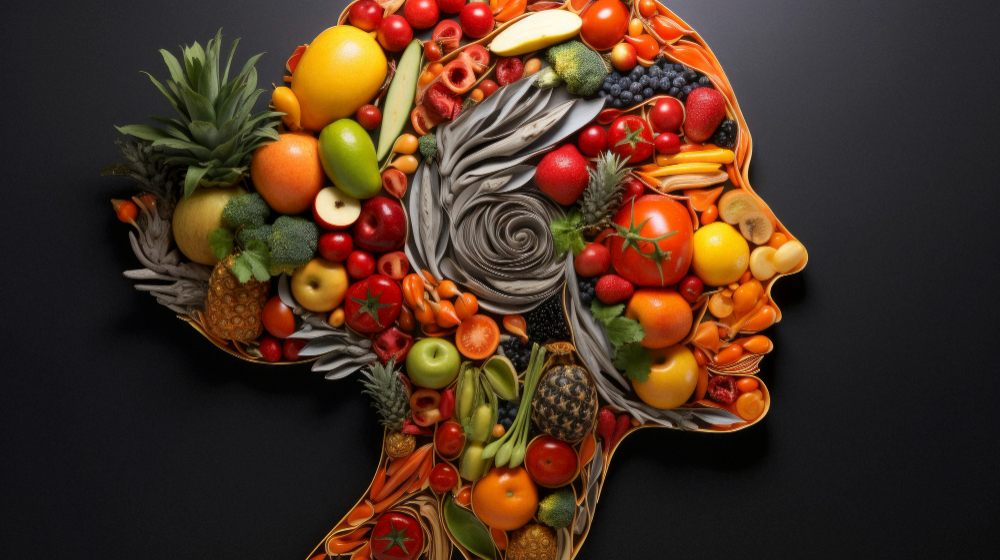
The food we eat doesn’t just fuel our bodies—it also affects our brains and emotions. Research shows a strong connection between diet and mental health. A poor diet high in processed foods, sugar, and unhealthy fats can increase the risk of anxiety, depression, and fatigue. On the other hand, balanced nutrition supports sharper thinking, stable moods, and better energy levels.
How Diet Impacts the Mind
- Nutrients and the Brain: Vitamins, minerals, and omega-3 fatty acids support brain function and help regulate mood.
- Gut-Brain Connection: A healthy gut (with good bacteria from fiber-rich foods) communicates positively with the brain, boosting mental well-being.
- Blood Sugar Balance: Foods that cause sharp spikes and drops in blood sugar can make mood swings and irritability worse.
Practical Steps for Better Mental Health Through Diet
- Eat More Whole Foods: Choose fruits, vegetables, whole grains, beans, and nuts over processed snacks.
- Include Healthy Fats: Add fish, avocados, and olive oil for brain-boosting omega-3s.
- Stay Hydrated: Dehydration can affect focus and mood—aim for enough water daily.
- Cut Back on Sugar and Junk Food: Limit sodas, sweets, and fast food that drain energy and worsen mood swings.
- Support Gut Health: Add yogurt, kefir, or fermented foods like sauerkraut to keep your gut microbiome balanced.
Conclusion
Yes, diet and mental health are strongly linked. Small, consistent changes in eating habits can improve not just physical health but also mental clarity, mood, and overall resilience. Taking care of your diet is also taking care of your soul. By honouring our bodies with good food, we cultivate a sound mind, a joyful heart, and strength to serve God and others.